Four Major Issues Dividing State Attorneys General
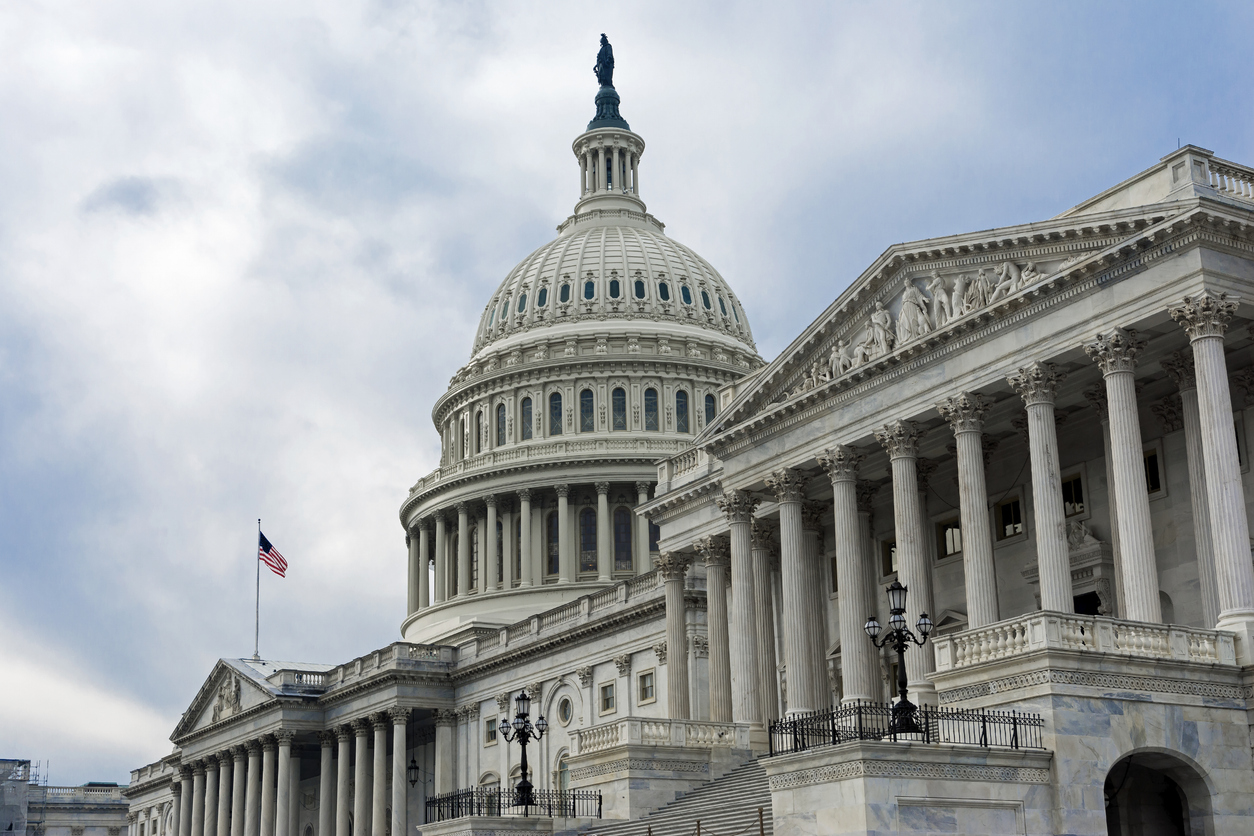


State attorneys general (AGs) are the chief legal officers of each state and select United States territories. These 56 AGs have the responsibility of representing the state in court, protecting and educating the public, enforcing state laws and prosecuting high-level criminal and civil cases.
The National Association of Attorneys General (NAAG) is a bipartisan coalition that brings all 56 AGs together. The main function of the organization is to coordinate both action and support between the AGs. This allows the AGs to work together on multi-state legal issues and support or challenge various incentives independently from the federal government.
State AGs are split by party. 28 Republican AGs belong to a separate organization called the Republican Attorneys General Association (RAGA), while 27 Democratic AGs belong to another organization called the Democratic Attorneys General Association (DAGA).
Historically, RAGA has promoted a federalist and pro-business agenda, while DAGA has emphasized civil rights and environmental action. Under President Trump, both groups have pursued issues consistent with these traditional priorities. RAGA has frequently defended the Trump administration while advancing federalist legal principles, while DAGA has concentrated on challenging executive and agency actions that it considers examples of federal overreach.
Four Issues Dividing State Attorneys General
Immigration
Current immigration policy under President Trump is enforcement first. This includes expanded detention, pushing states and local counties to cooperate with law enforcement operations and targeting sanctuary jurisdictions that resist.
- Republican AGs are supportive of this strategy. In 2025, 26 Republican AGs filed an amicus brief supporting the president’s invocation of the Alien Enemies Act.
- Democratic AGs have opposed this strategy. In 2025, 20 Democratic AGs filed two lawsuits challenging efforts to condition the award of billions of dollars in federal funding on state participation in immigration enforcement efforts.
Climate Liability and Fossil-Fuel Accountability
Several states are pursuing oil and gas companies for allegedly misleading the public about climate risks and contributing to state-level damages.
- Democratic AGs support these cases. They argue that states have the right to enforce their consumer protection and fraud laws against energy companies. Democratic-led states have filed lawsuits against several major oil and gas companies, while other Democratic AGs have filed briefs supporting these cases.
- Republican AGs oppose these cases. They argue that climate change is a global issue and that individual states should not shape national energy policy through lawsuits. In 2024, 19 Republican AGs brought a case to the U.S. Supreme Court to block several of these Democratic cases, but the Court declined to hear the lawsuit.
Office of Management and Budget (OMB)
Recent changes to federal funding policy have raised questions about how much control the president should have over government spending. The Trump administration has sought to pause certain federal assistance and increase its authority over the approval and termination of grants.
- Republican AGs generally support broader presidential control over the executive branch. In 2025, 20 Republican AGs filed a brief supporting DOGE access to Treasury payment systems, arguing that restrictions would interfere with the president’s Article II authority.
- Democratic AGs generally oppose these funding policies as executive overreach. They sued over the January 2025 OMB funding pause and later challenged the termination of grants based on changing agency priorities. In July 2026, a court ruled that agencies could not terminate grants based on priorities adopted after said grants were awarded.
Antitrust Issues (Acquisition of Warner Brothers Entertainment)
In 2025, Netflix and Paramount began competing to acquire Warner Bros., raising concerns about how either deal could affect competition within the entertainment industry.
- Republican AGs raised concerns about Netflix’s proposed acquisition. In February 2026, a coalition of 11 Republican AGs sent a letter urging the Department of Justice to review the deal closely, citing the potential for higher prices, reduced competition, and harm to movie theaters. Later that month, Netflix withdrew its offer.
- Democratic AGs challenged Paramount’s proposed acquisition. In July 2026, a coalition of 12 Democratic AGs sued to block the $110 billion acquisition after it received DOJ approval. They later obtained a temporary restraining order, preventing the acquisition from moving forward while the antitrust case proceeded.
These four issues demonstrate how political priorities increasingly shape the actions of state attorneys general. Although AGs continue to cooperate through bipartisan organizations such as NAAG, disputes over federal authority, state power and economic regulation remain significant. Understanding these divisions is essential because their legal actions can influence national policy and affect millions of Americans.
For any questions about issues dividing state attorneys general, feel free to contact Christopher Carusone.